Lawn Care That Protects Pollinators and Pets
Contact Us
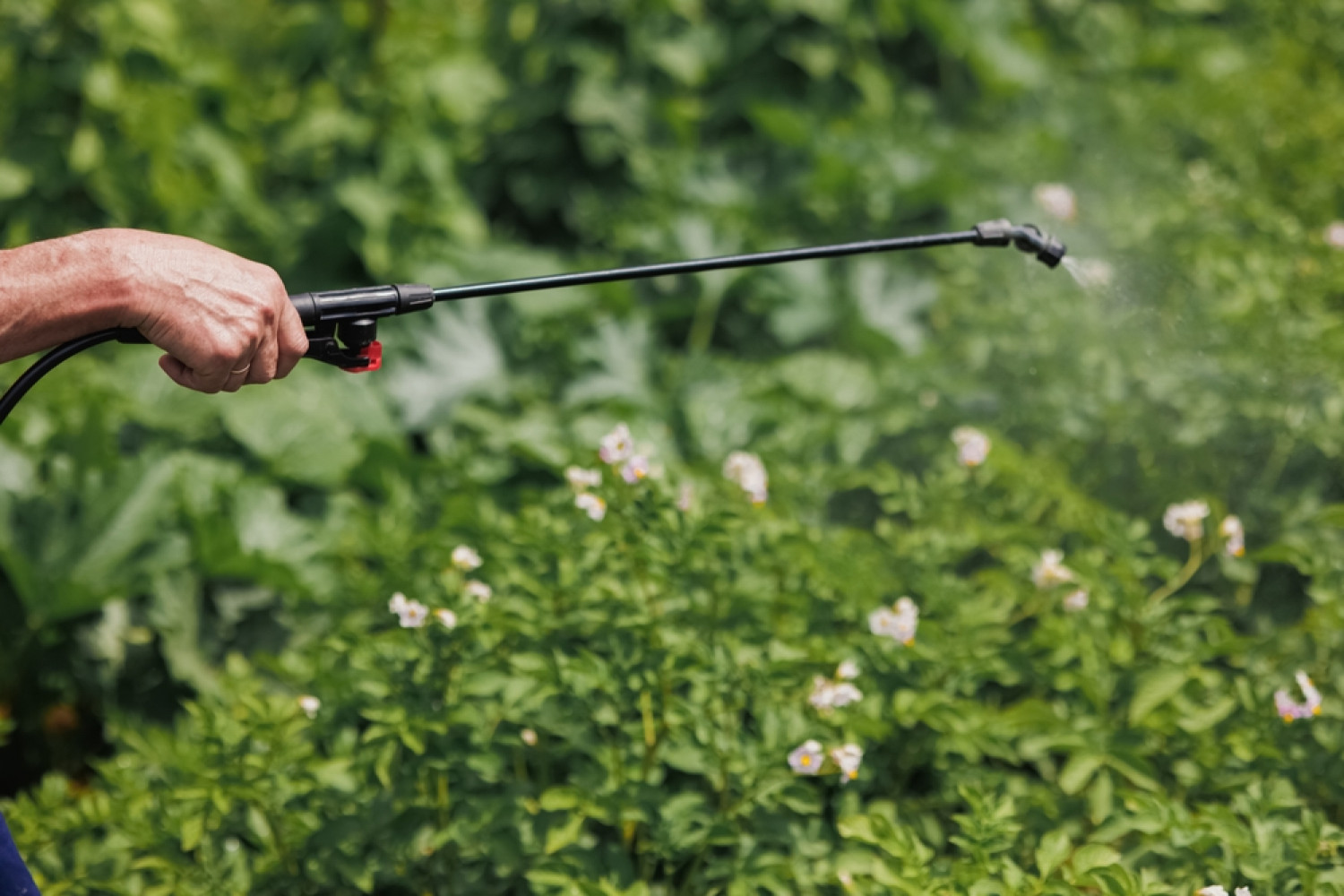
Broadleaf weeds crowd out grass coverage, and grub damage creates brown patches that expand through summer months, but treatment decisions must account for pets that walk across treated areas and pollinators that visit clover and dandelion blooms. Herbicide and pesticide lawn treatment in Little Black and Medford uses pet-safe and bee-safe formulations that address turf problems without creating hazards for animals or beneficial insects. Black Creek Services applies products designed to target lawn pests and weeds while remaining compatible with properties where dogs run freely and pollinator gardens border lawn edges.
Treatment protocols focus on product selection that breaks down quickly after application, timing applications to avoid active pollinator hours, and using targeted delivery methods that minimize exposure beyond the intended treatment area. Weed control addresses dandelions, clover, creeping charlie, and other broadleaf species that compete with turf, while pest management targets grubs and surface-feeding insects that damage grass root systems.
Arrange an on-site evaluation to identify current lawn health issues and discuss treatment approaches that align with your property's use patterns.
Lawn treatment planning evaluates what problems currently exist, what the turf actually needs, and how application methods affect everything else happening in the yard. Pet-safe formulations require verifying re-entry timing so animals can return to treated areas without risk, and pollinator-safe approaches mean avoiding applications during bloom periods when bees actively forage on flowering weeds. Black Creek Services calibrates application rates to match turf conditions, applies treatments when weather supports proper absorption, and schedules work around the times when pollinators are least active.
You see results as weed density decreases across lawn areas and grass fills in where broadleaf plants previously dominated. Turf color improves as nutrient availability increases and pest damage stops spreading through vulnerable sections. Pet activity continues without restriction once re-entry windows pass, and pollinator visits shift to garden areas where flowering plants provide intended forage without exposure to lawn treatment products.
Lawn health maintenance also involves understanding what treatment does not address-compacted soil that limits root growth, drainage problems that create standing water, or shade conditions that prevent dense turf establishment. Treatment works within the limits of existing site conditions and turf species selection.
Homeowners frequently ask about safety protocols and treatment effectiveness before committing to lawn care programs.